ABSTRACT
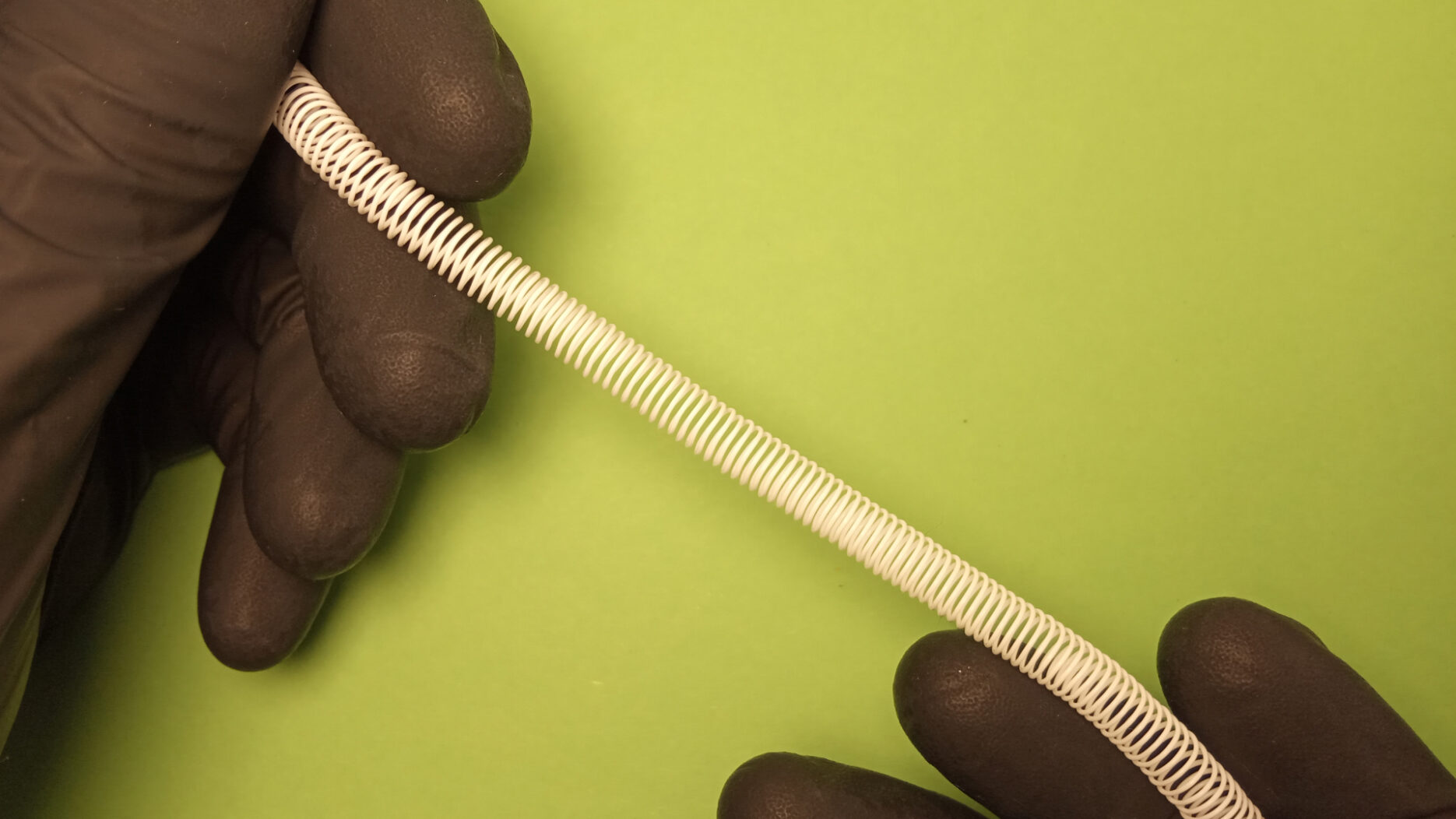
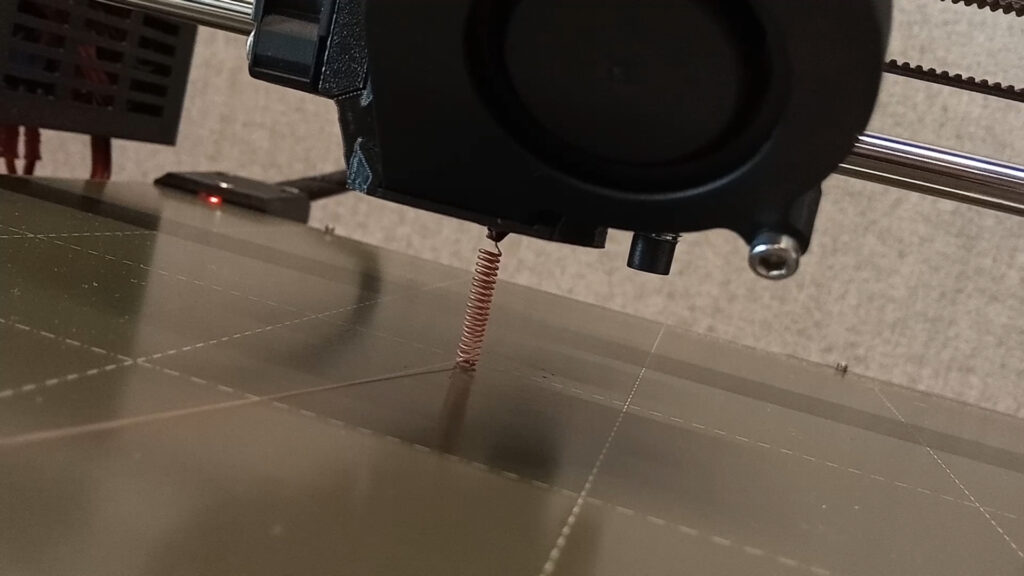
QSpring (QuasiSpring) explores mid-air printing combined with cold extrusion to produce springs that can stretch, contract, and bend as well as print object wireframes. One well-known Achilles’ heel of FDM printing is its layered structure, or, more specifically, layer adhesion, which is a major failure point in 3D-printed parts. While high-temperature materials aim to address this issue, other challenges remain, such as the lack of uniform strength (anisotropy), which continues to be a technological limitation.
This project explores how unconventional printing techniques can turn two of the most significant technological limitations of 3D printing into opportunities for producing functional prints.
INTRODUCTION
Fused deposition modeling (FDM) technology has inherent fundamental limitations, particularly its layered nature, which makes producing rigid components with uniform mechanical strength a significant challenge. Although several approaches have been proposed to improve part strength, such as high-temperature filaments, brick-layering patterns, and annealing, long-term durability still cannot be guaranteed.
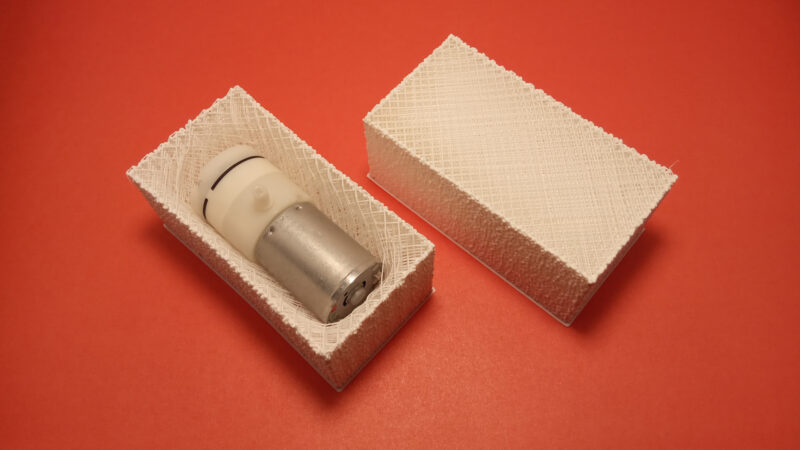
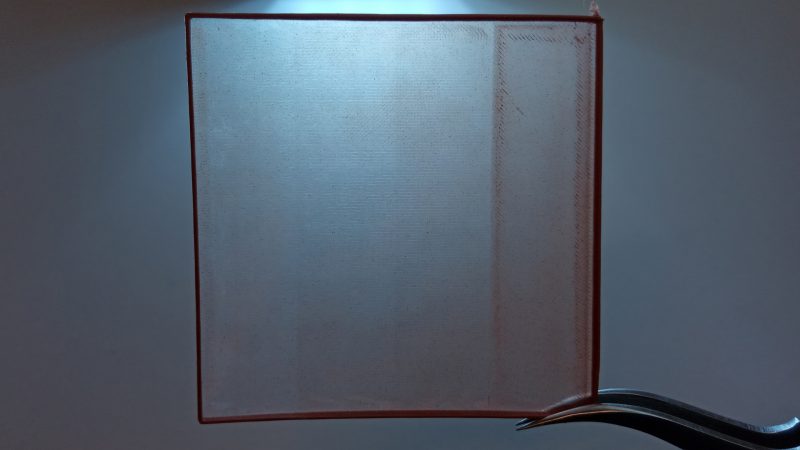
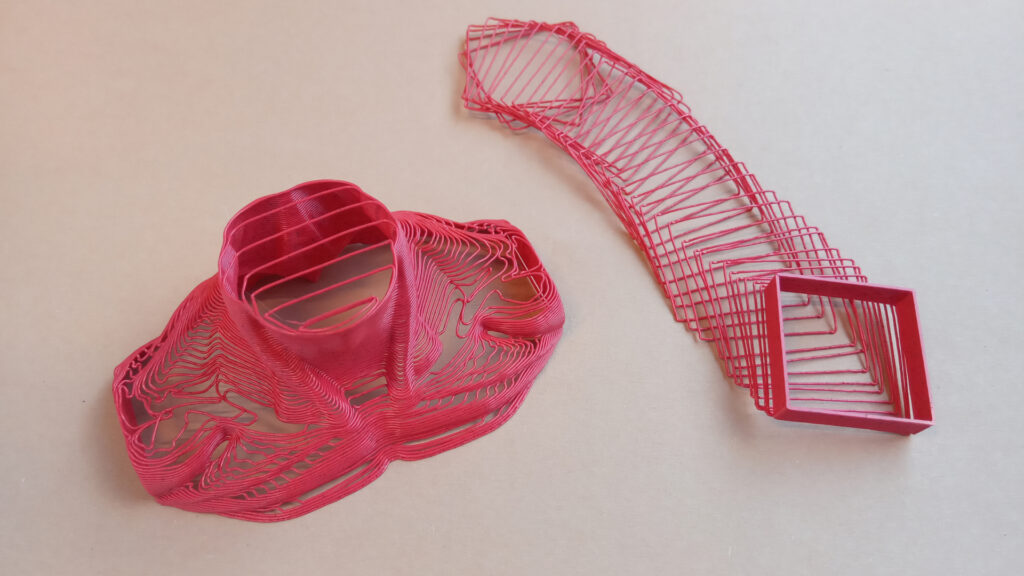
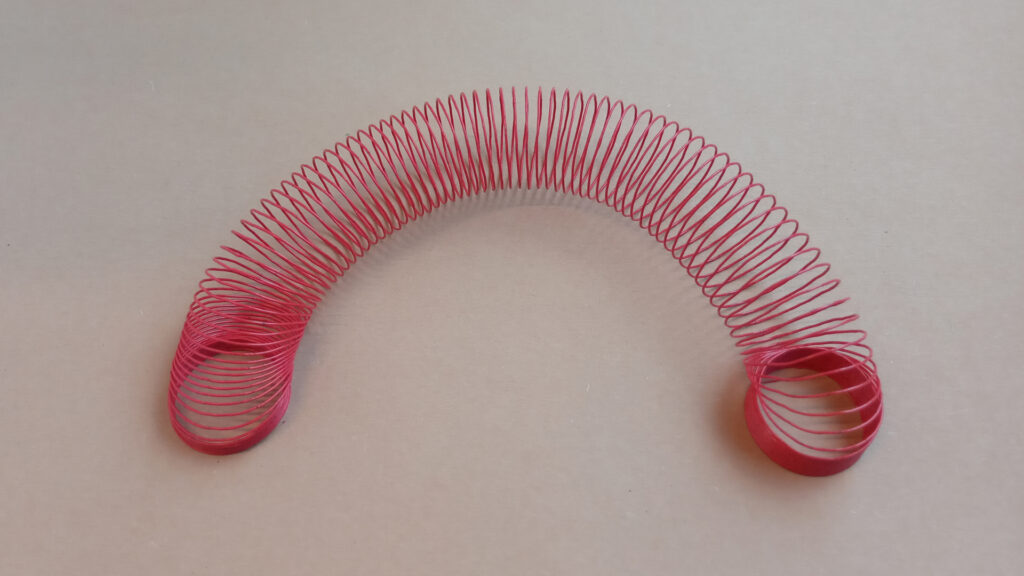
On the contrary, QSpring demonstrates that these drawbacks can be turned into advantages for specific applications. For instance, it leverages layer separation to produce springs, where controlled splitting between layers is essential to their functionality. It also enables the rapid printing of wireframe structures using a single perimeter and no support material, significantly reducing printing time and filament consumption. Although presented as a concept, QSpring offers valuable insight into an alternative approach to conventional 3D printing, demonstrating how seemingly impractical settings can be leveraged to achieve practical applications.
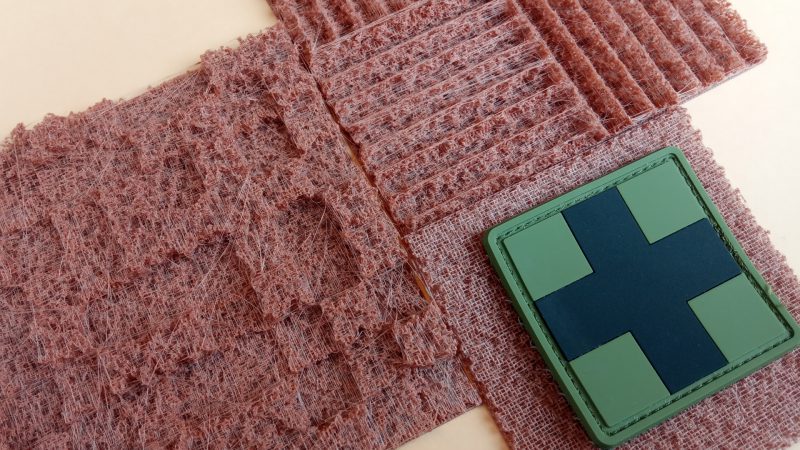
The presented concept relies on Spiral Vase mode, which creates a continuous, single outline while gradually increasing the Z-height. Next, a handful of parameters influence spiral density, shape, and layer bonding. The primary objective is to maintain the circular shape while ensuring that layer splitting occurs under a relatively light load. This behaviour can be achieved by combining and fine-tuning the extruder temperature, perimeter speed, extrusion multiplier, and layer height. Each parameter affects one or two of these aspects. However, it is advisable to keep certain parameters, such as temperature, at a constant value.