VIDEO MATERIALS | PROJECT FILES | CONTRIBUTE | COLLABORATE
ABSTRACT
QMesh (QuasiMesh) presents the concept of multifunctional surfaces created via fused deposition modeling (FDM) technology. Depending on the material used, layers of 3D-printed objects can exhibit a range of surface features, from glossy to matte and smooth to rough. Although a minimal set of parameters can be adjusted in the software to incorporate such features, they primarily provide an aesthetic look, lacking versatile functionalities and use cases.
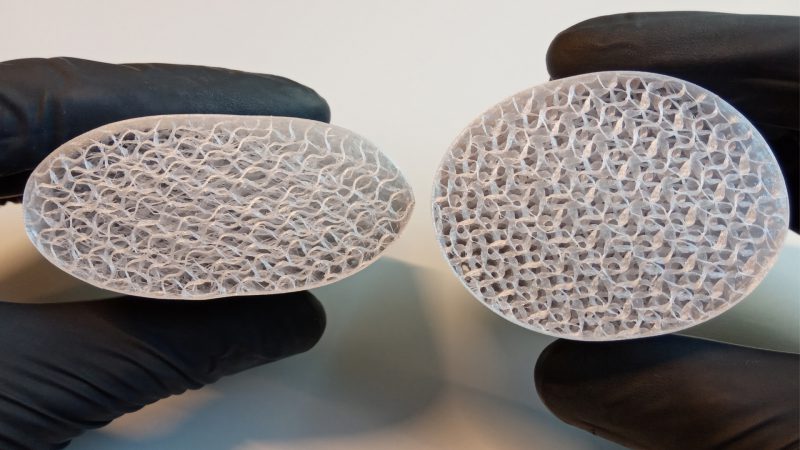
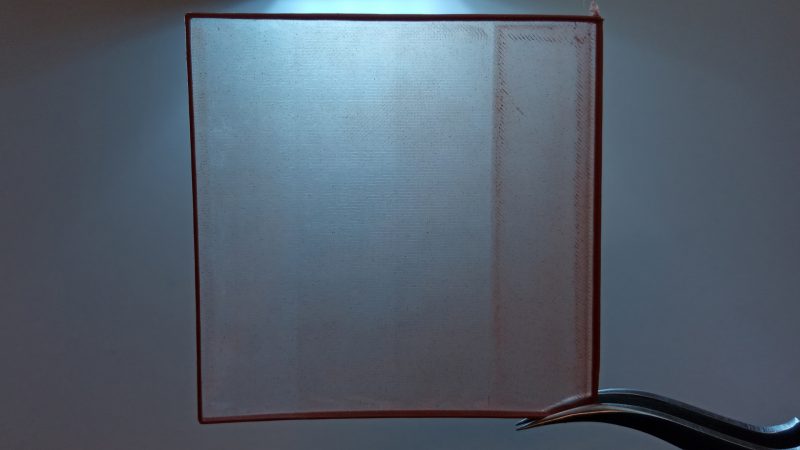
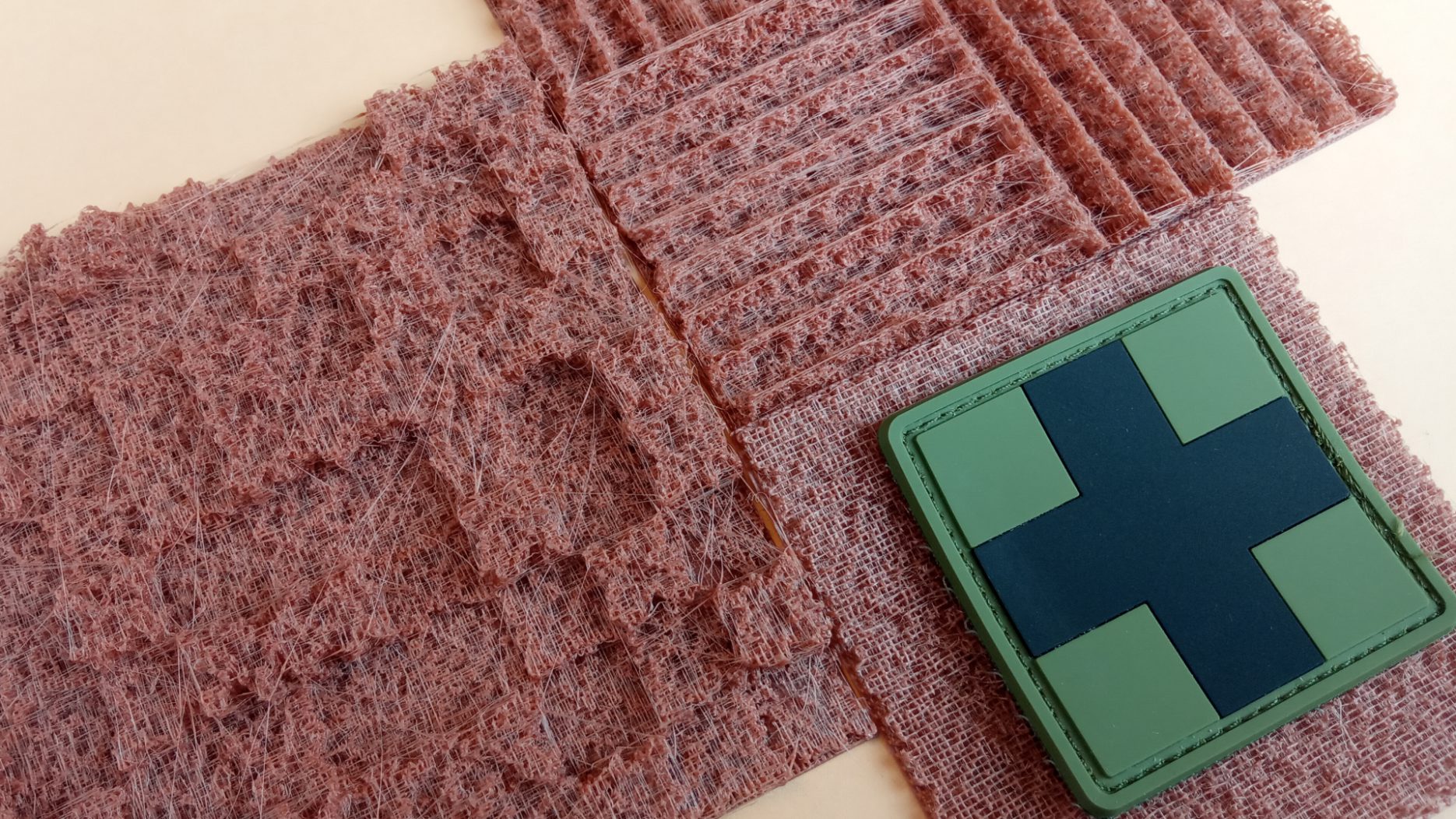
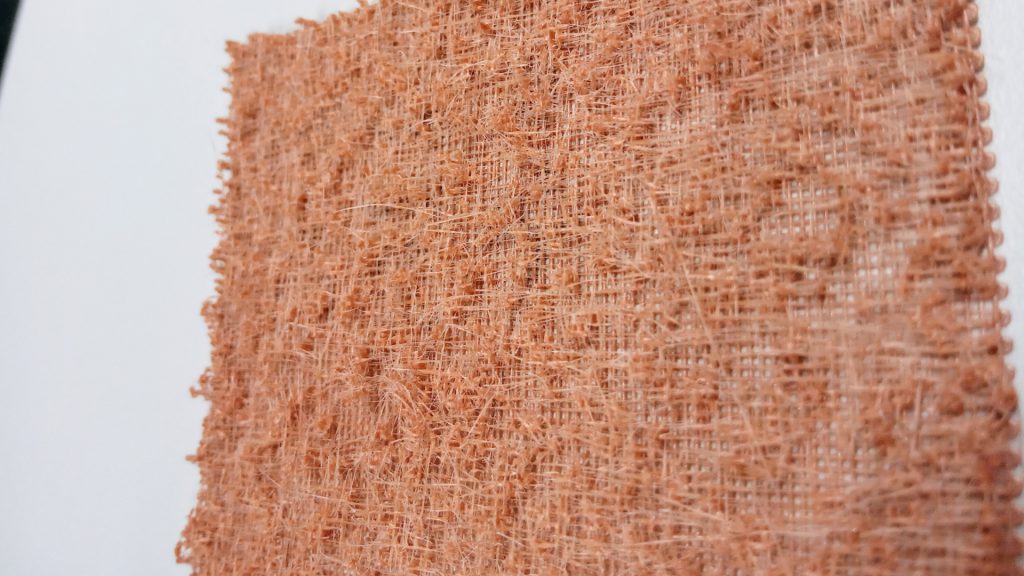
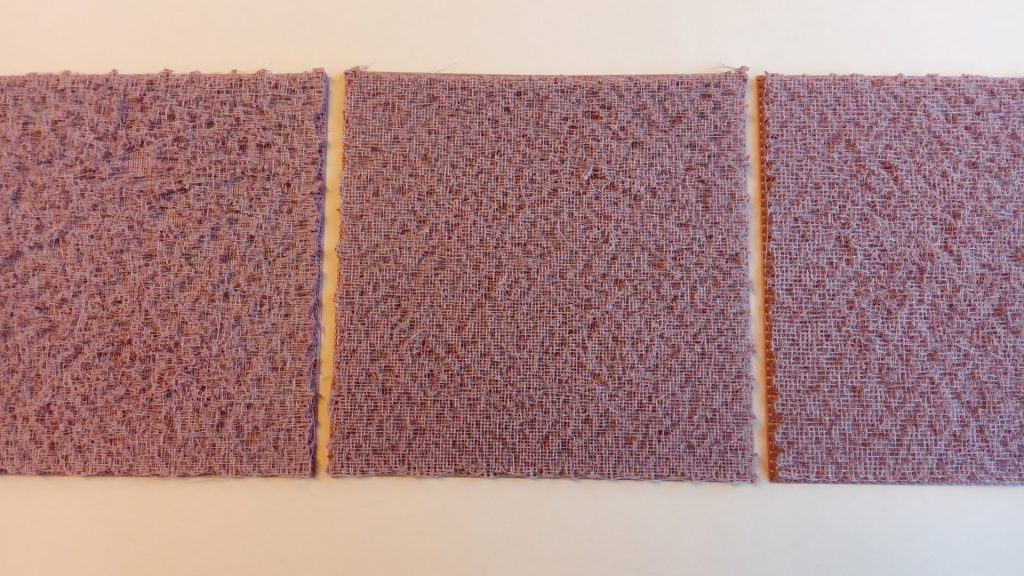
This research explores how adjusting a single parameter, the extrusion multiplier, enables the development of multifunctional mesh-like surfaces that not only have a pleasing appearance but also provide tactile feedback, incorporate soundproofing capabilities, and offer mechanical functionalities for use in hook-and-loop items.
CCS CONCEPTS
- Human-centered computing → Human computer interaction (HCI); Human-centered computing;
KEYWORDS
3D printing, multifunctional, surface.
INTRODUCTION
In FDM technology, the external perimeter of a 3D-printed object can be manipulated to produce a wide range of textures and finishes. Adjusting the 3D printer extruder temperatures during printing can make surfaces glossy or matte. Additionally, features such as the “Fuzzy skin” option available in most slicing software allow for the creation of rough, fiber-like textures on the sides of models. This feature can enhance grip when applied to tool handles, demonstrating that the potential of these surfaces extends beyond mere aesthetics. By fine-tuning specific parameters, the functional properties of such surfaces can be further extended, enhancing their practical applications.
The extrusion multiplier is the primary parameter on which the QMesh concept relies. Adjusting this single parameter can transform the surface characteristics of 3D printed objects, leading to the creation of surfaces that are not only visually appealing but also functionally beneficial. For instance, our findings indicate that surfaces can be engineered to behave like porous, thick, foam-like materials, providing soundproofing capabilities for the final product. Additionally, these surfaces can be ironed onto fabrics, making them suitable for use with hook-and-loop badges that require sewing.
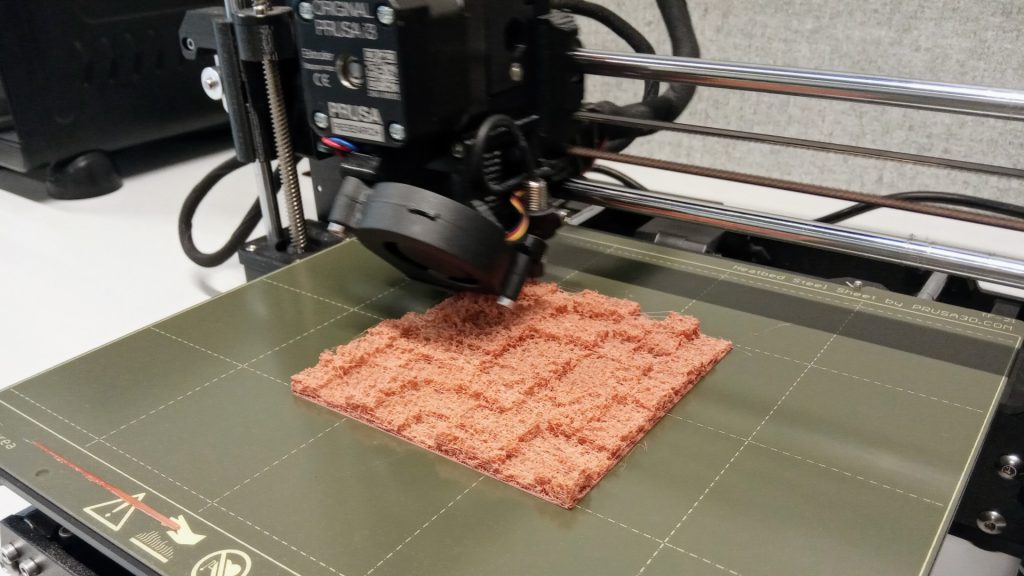
The design of QMesh works with standard shapes such as boxes or spheres found in slicing software (slicers) and does not require any computer-aided design (CAD) software. The mesh itself is made from rectilinear pattern infill without any external or internal parameters. A single bottom surface is used as a raft for adhesion, but this is optional. The extrusion multiplier defines the softness and brittleness of the mesh. The infill density parameter defines how dense or sparse it will be. Both parameters can be adjusted to create a mesh that is either thick and porous or sparse and soft.
QMesh presents the following contributions:
- Provides a detailed analysis of the behavior and durability of thermoplastic-based meshes.
- Presents versatile and accessible workflows for 3D printing mesh of any size, shape, density, thickness and material.
- Includes a study of the mechanical, tactile and soundproofing properties.
STAY TUNED!
More information will be posted soon.
Please check back later for updates.
Creative Commons
Attribution-NonCommercial-NoDerivatives 4.0 International