VIDEO MATERIALS | PROJECT FILES | CONTRIBUTE | COLLABORATE
ABSTRACT
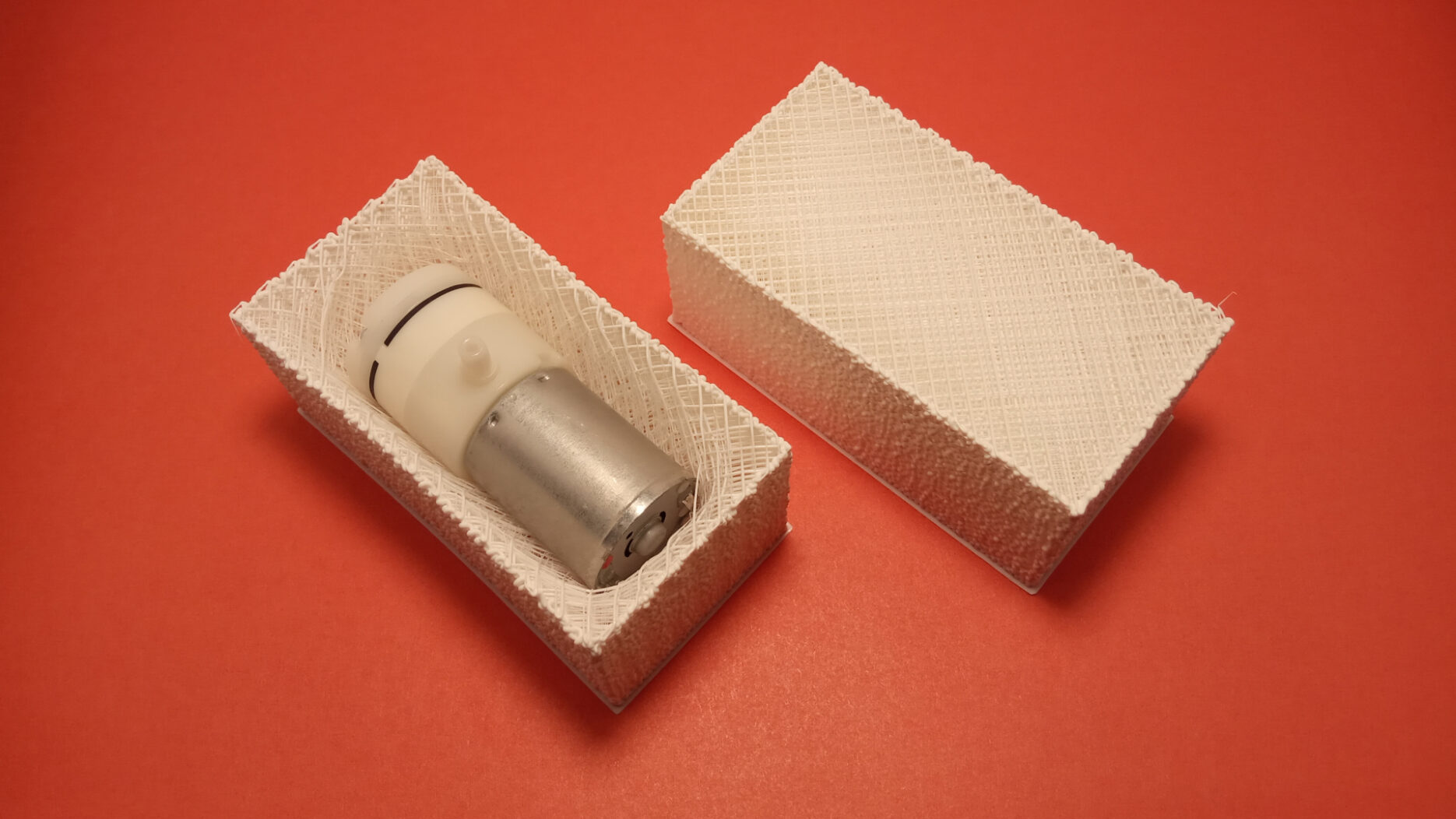
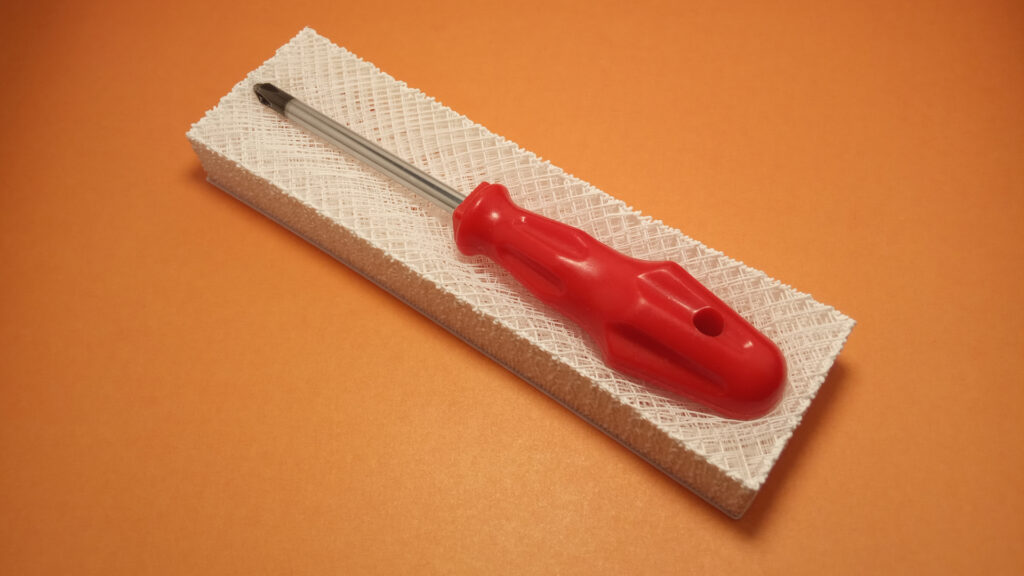
QTForming (QuasiThermoforming) introduces a “one-size-fits-all” concept for inserts, in which a basic shape is created using sparse infill and then thermoformed to match the shape of an object. Most existing workflows ultimately require either redrawing the design from scratch or taking a photograph of the object and creating an outline based on its shape. The latter approach does not always produce an accurate fit due to manufacturing tolerances and photographic inaccuracies, essentially wasting considerable amounts of time and filament.
This project explores how basic shapes can be adapted to accommodate a variety of objects through thermoforming as a post-processing step.
INTRODUCTION
Materials used in Fused Deposition Modeling (FDM) technology are temperature-dependent, not only during the printing process but also after the object has been manufactured. As a result, filaments with higher heat resistance must be selected to withstand elevated environmental temperatures. PLA is one of the most commonly used materials due to its low cost and ease of use; however, it has relatively low temperature resistance. This is just one of the many technological nuances users must consider when working with FDM technology, hence the importance of understanding material properties and their limitations.
Since PLA has relatively low heat resistance, this limitation can be leveraged for thermoforming. A heat gun is used to preheat the desired area, after which the object is placed on top. As the heat softens the material, it begins to sag under the object’s weight, gradually deforming to accommodate its shape. This process can be repeated multiple times until the desired shape is achieved.
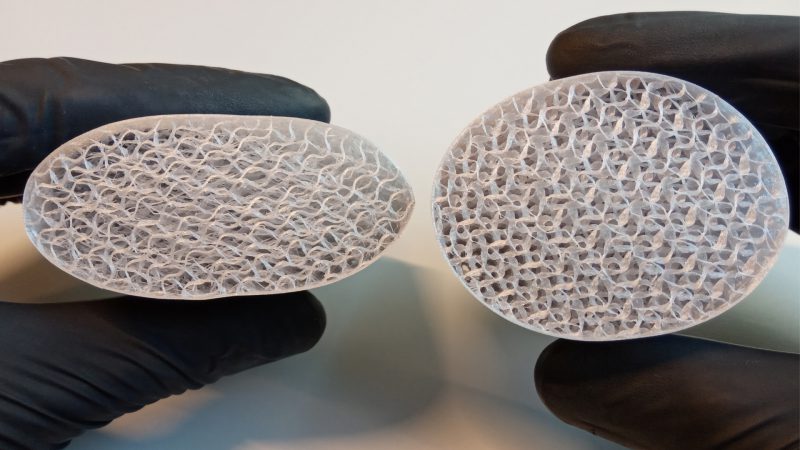
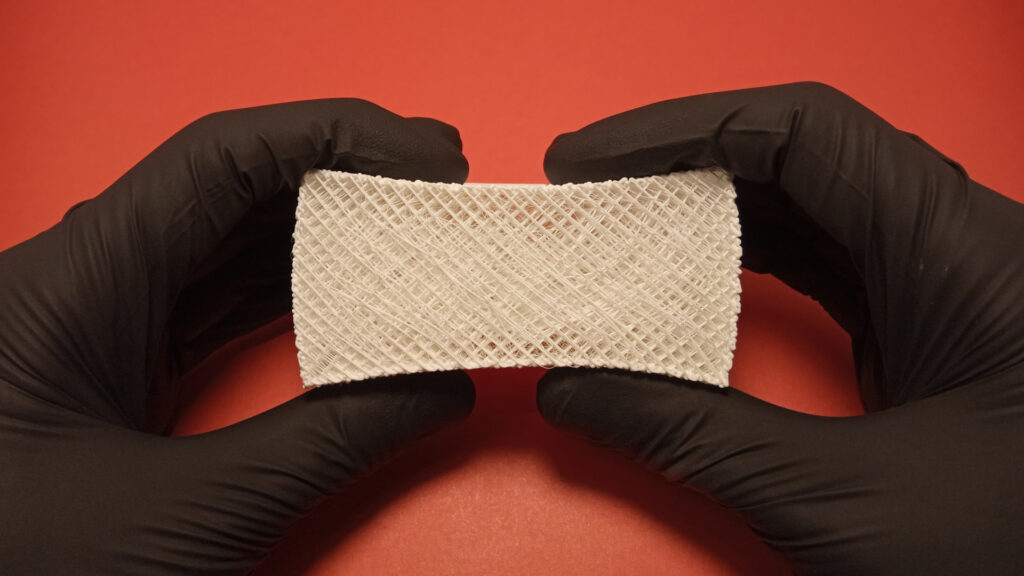
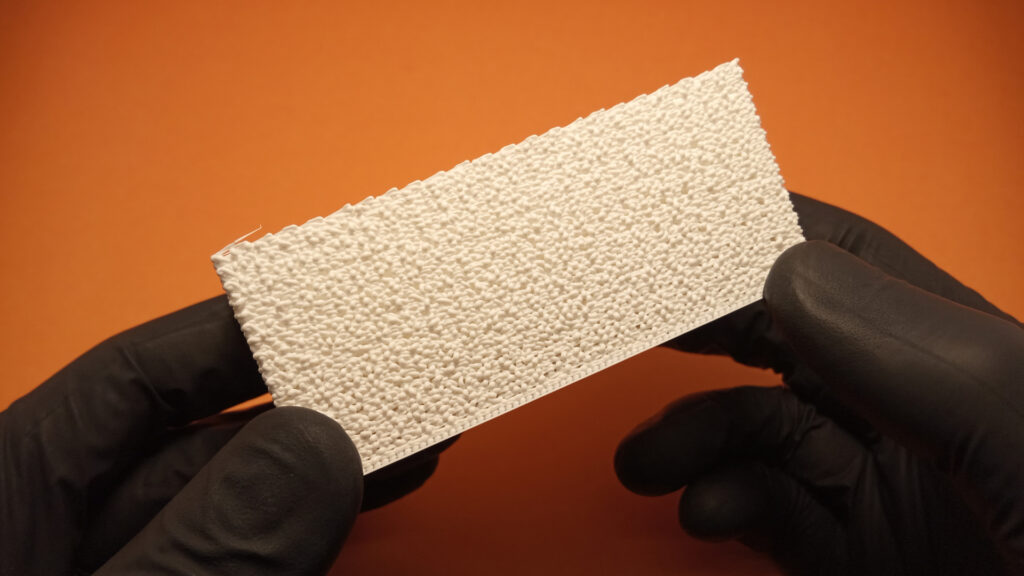
A basic square shape is created in the slicing software, with several parameters adjusted, including the perimeter count and layer height. Since one of the main objectives of this project is printing speed, only a single perimeter is used, with significantly wider and thicker extrusion lines and a layer height of up to 1.0 mm. The infill, on the other hand, is kept sparse, with increased extrusion to maintain sufficient material deposition while minimizing print time. This approach allows even relatively large shapes to be printed quickly. However, the use of a single perimeter and sparse infill makes the resulting structure flexible. We observed that this effect is partially reduced after thermoforming, as the infill tends to bond together during the heating process.